







Search Results for: International Coffee Day

Tracing the Origins of International Coffee Day and an Analysis of the Current Status and Future Path of the Yunnan Arabica Coffee Industry
On October 1, 2015, the world welcomed the first International Coffee Day, and the enthusiasm in China's coffee circles even overshadowed the National Day holiday. Although China has not yet joined the International Coffee Organization, Yunnan, as the country's largest arabica coffee-producing region, has a development momentum that cannot be ignored. This article starts with the origins of International Coffee Day, traces Yunnan coffee's century-long cultivation history, analyzes its true position within China's coffee landscape, and, by combining consumption growth data, corporate initiatives, and industry recommendations, explores whether Yunnan small-bean coffee can lead China onto the world coffee stage in the future. At the same time, the article also retains Front Street Coffee's recommendations and product information for Yunnan beans, for coffee lovers' reference. [more…]

COE Launches Origins Immersive Program: First Stop in El Salvador for an In-Depth Experience of the Entire Coffee Supply Chain
The Cup of Excellence (COE) organization recently launched a multi-day educational program aimed at giving international coffee professionals an in-depth, immersive experience of coffee-producing countries' local coffee and culture. For its first collaboration with the Salvadoran Coffee Institute, the inaugural "Origin Immersion" program is set to take place in El Salvador in February 2024. The five-day course covers COE cupping scoring, industry history and variety presentations, visits to farms, processing plants, and roasters, defect identification and quality control, discussions on sustainable practices and biodiversity, as well as hands-on roasting and espresso tasting sessions. COE founder Susie Spindler and Salvadoran Coffee Institute director Carolina Padilla both have high hopes for the program, looking to bring buyers and producers closer together and raise the international profile of Salvadoran coffee. [more…]
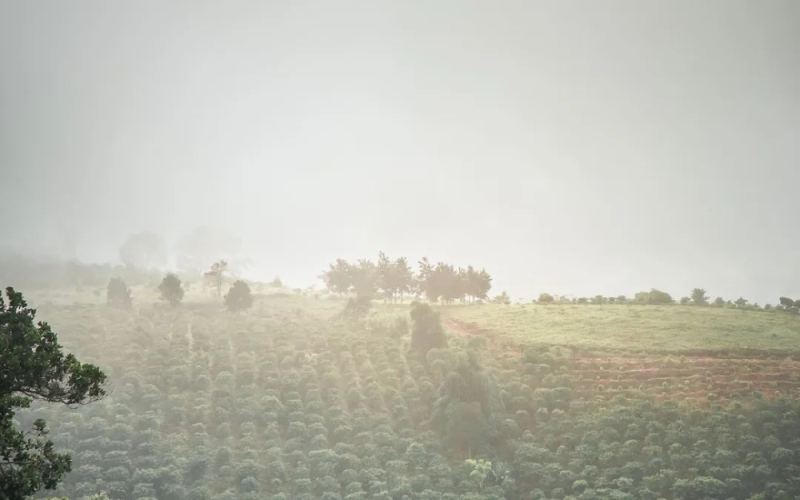
Domestic coffee prices in Vietnam climb to new peaks, while international Robusta and Arabica markets continue to decline
Vietnam's domestic coffee market has recently seen a rare turn of events: even as international futures prices broadly decline, domestic purchasing prices have risen against the trend, with the highest price in the Central Highlands provinces reaching 82,300 Vietnamese dong per kilogram, setting a new all-time record. At the same time, Germany's share of imports of Vietnamese coffee has risen rather than fallen, showing that Europe's reliance on Vietnamese robusta continues to deepen. However, expected production cuts caused by climate change and some coffee farmers switching to durian cultivation are planting more uncertainty on the supply side for the future. This article combines the latest exchange data and producing-region quotes to trace the ins and outs of this round of price fluctuations. [more…]
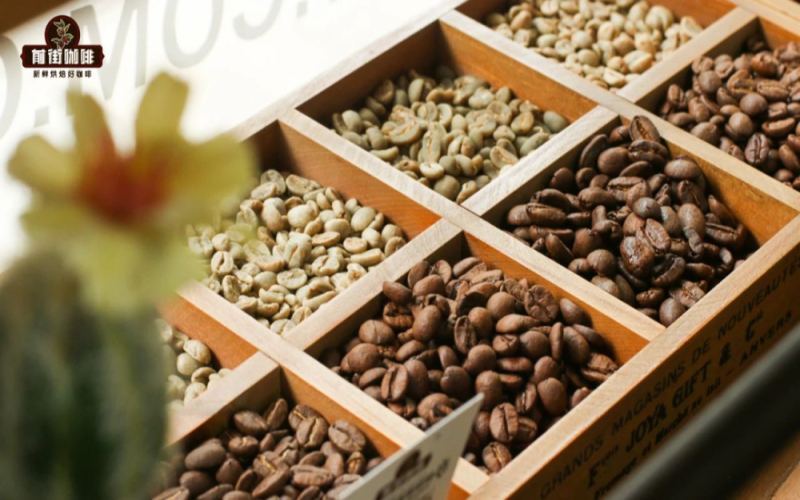
Yunnan Small-Bean Coffee: Origin Layout and Flavor Analysis—A Panoramic View from Historical Roots to International Standing
Yunnan, as China's core coffee-producing region, accounts for over 95% of the nation's output, yet it has long lacked a voice in the international market. This article begins with the varietal origins of small-bean coffee, tracing its historical path through Ethiopia and the Arabian Peninsula before finally reaching Yunnan, and reviews key milestones such as Zhukula Village, the trial planting in Lujiangba, and Nestlé's introduction of Catimor. At the same time, it confronts domestic consumers' stereotypes about Yunnan coffee—the burnt, bitter taste and artificial flavoring of the instant-coffee era—and analyzes Yunnan coffee's awkward position of being undercut by more than 20 cents in international trade. In fact, the quality of Yunnan coffee is no longer inferior to imported beans of the same grade, and a large amount of "imported coffee" is actually Yunnan green beans exported, labeled abroad, and then sold back. The article calls for setting aside prejudices born of low-quality instant coffee and rediscovering the true flavor and value of domestically grown coffee. [more…]
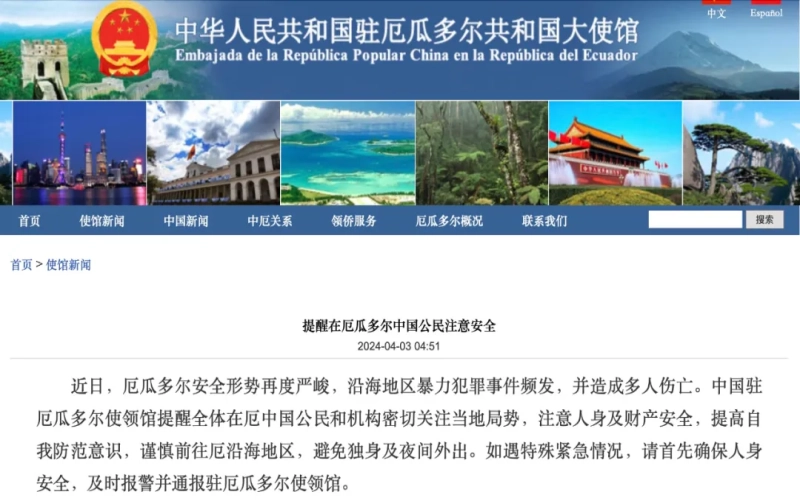
Ecuador's Armed Conflict Coupled with Diplomatic Crisis: Coffee and Tourism Industries Face Chain Reactions
Recently, the Chinese Embassy in Ecuador issued a security alert, noting the frequent violent crimes in the country's coastal areas and advising Chinese citizens and institutions to heighten their vigilance. Behind this warning lies Ecuador's ongoing internal armed conflict and an embassy arrest incident that has sent shockwaves through Latin American diplomacy. As a country dependent on exports of oil, bananas, cocoa, and coffee as well as tourism, Ecuador is facing dual pressures from a deteriorating trade environment and declining willingness among tourists to visit. Although its coffee has gradually risen to prominence in international competitions, attracting many bean hunters to visit, the current situation is undoubtedly casting a shadow over the local coffee industry and tourism economy. [more…]

Ethiopia Launches Exchange Rate System Reform, Birr Depreciates by 30% in a Single Day, Coffee Exports Face a New Landscape
On July 29, 2024, the National Bank of Ethiopia announced a major overhaul of the country's foreign exchange system, effective immediately, centered on introducing a competitive exchange rate formation mechanism based on market supply and demand. This move was seen as a key step toward resolving the country's long-standing foreign exchange shortage, but it also quickly triggered a sharp currency depreciation—the birr plunged about 30% against the US dollar in a single day. As a major global coffee-producing region, how will this policy shift in Ethiopia affect its coffee industry and the international coffee market? This article will outline the specifics of the reform, the exchange rate movements, and their potential transmission effects on coffee exports and prices. [more…]

2022 Yunnan Coffee Bean Price Market Analysis: Purchase Price per Kilogram of Arabica Coffee and Industry Status Analysis
Yunnan is China's main coffee-producing region, accounting for over 99% of the national output. However, for a long time the pricing power for coffee beans has been subject to the New York futures market, leaving it without bargaining power. In recent years, international green bean prices have remained persistently low, even falling below the cost line of 15 yuan/kg, causing many coffee farmers to cut down trees and change careers. In 2020, the province's planting area shrank by nearly 20% compared with the 2014 peak. At the same time, the rise of specialty coffee has opened a new path for Yunnan coffee, with the consumption scale of Yunnan coffee on the Tmall platform increasing by 135% year on year. This article will sort out the latest price details of Yunnan coffee beans, the industry's difficulties, rescue actions from various parties, as well as the planting history and producing-area advantages, to give you a comprehensive understanding of the current situation of Yunnan Arabica coffee and Front Street's brand observations. [more…]
Why Have Yunnan Coffee Prices Stayed Low for So Long? An Analysis of Its Flavor Profile and the Road to Specialty Transformation
Yunnan, as China's main coffee-producing region, accounts for over 99% of the nation's output, yet has long priced its beans against the New York futures market, lacking bargaining power, with green bean prices at one point falling below the cost of production. In recent years, with the rise of the specialty coffee wave, Yunnan coffee is entering the specialty market like a dark horse. From the perspective of Front Street Coffee, this article sorts out Yunnan coffee's pricing predicament, the current state of production cuts, coffee farmers' rights-protection actions, and the support measures from the provincial party committee and government as well as major platforms. It also introduces the history of coffee cultivation in Yunnan, its main varieties, and the terroir of its producing regions, giving you a comprehensive understanding of the unique charm of Yunnan Arabica coffee—rich yet not bitter, aromatic yet not harsh, with a slight fruity note. [more…]
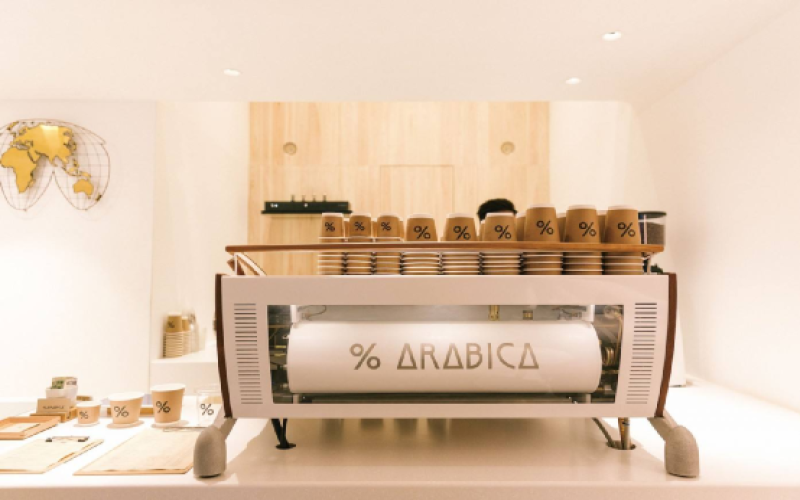
%Arabica's China operator Fumeng International plans to raise $300 million at a target valuation of $1.2 billion, bringing new challenges for specialty coffee expansion.
China's coffee chain market is expected to surpass 36,000 stores by 2025. Despite the pandemic repeatedly disrupting the food and beverage industry, the Chinese market is still regarded as a key growth engine for coffee brands both at home and abroad. Against the backdrop of a sharp pullback in financing enthusiasm, Fumeng International, the Chinese operator of the influencer specialty coffee brand %Arabica, is seeking about $300 million in new funding at a target valuation of $1.2 billion. The brand started with a minimalist visual style, gained popularity from Hong Kong to Arashiyama in Kyoto, and expanded rapidly after entering Shanghai in 2018. It now has 61 stores in mainland China, Hong Kong and Macau. However, as its locations become more mainstream and its influencer halo fades, %Arabica's balance between scale and specialty positioning has become a focus of attention. [more…]

Brazil experiences unusually high temperatures in autumn, disrupting the growth rhythm of coffee-producing regions
Global extreme weather continues to intensify, and Brazil has seen a rare phenomenon of inverted seasonal temperatures. May should mark the start of autumn, yet São Paulo recorded its hottest day for the same period in 81 years, with temperatures soaring to 32.8°C and generally remaining above 30°C. Persistent high temperatures and scarce rainfall are disrupting the normal growth cycle of coffee trees, with drought conditions particularly severe in central producing regions such as Minas Gerais. At the same time, Brazil and Vietnam's production and export data are trending upward, putting pressure on both international futures and domestic spot prices, but the future weather trajectory remains highly uncertain. [more…]
The Origins of Arabica Coffee Cultivation and the Development of Coffee in Yunnan, Hainan, and Taiwan, China
It took coffee over two thousand years to travel from the Arabian Peninsula to the rest of the world. This article traces the spread of coffee cultivation, from the Arabs' first plantings in 525 BC, to its introduction to Eurasia in the 15th century and its spread across the tropics by the 18th century. It also focuses on the introduction and rise of coffee in China—Taiwan led the way in 1884, Hainan saw it brought back by overseas Chinese in the early 20th century, and Yunnan's Arabica coffee, thanks to the terroir advantage of large day-night temperature differences, has developed a unique style that is rich without being bitter, aromatic without being harsh, and carries fruity notes, praised by international coffee traders as being of superior quality. The article also introduces the botanical classification and growing conditions of the coffee tree. [more…]
Ethiopia Guji Zone In-Depth Analysis: The Terroir Code of the Shakiso Micro-Region and the Traceability of 90+ Legendary Lots
Ethiopia, as the birthplace of coffee, has a regional division system like a precise pyramid, nested layer by layer from Region down to kebele. Southeast of Yirgacheffe lies a micro-region with an altitude exceeding 1,800 meters—Shakisso—where fertile black soil and significant day-night temperature differences nurture coffee flavors that astonish international specialty buyers. In 2010, Guji was made an independent region by the ECX, and Shakisso is the brightest star on this land. From the legendary 90+ bean Nekisse to Level Up's Flower Language, what terroir logic and processing techniques lie behind these repeatedly high-scoring coffees? Front Street Coffee will take you deep into Guji to uncover the unique charm and market value of Shakisso coffee. [more…]

Starbucks unions across ten countries jointly protest in solidarity with U.S. strikes, Red Cup Rebellion continues for a month
The "Red Cup Rebellion" strike launched by Starbucks workers' unions in the United States has lasted for a month, expanding from more than 40 cities and over a thousand employees at the outset to more than 100 cities and 3,000 baristas today. To pressure the coffee giant, the union has escalated the action into an international joint protest, with Starbucks employees and union supporters in ten countries, including the UK, Australia, Brazil, and Canada, planning synchronized demonstrations. Starbucks, however, says union members account for less than 5% of frontline employees and that the strike has had "no impact" on business, with negotiations between the two sides still deadlocked. Where will this labor-management battle go? [more…]

North Bund Manner网红photo spot blocked by stalls during May Day, coffee culture festival becomes the "spoiler"
On the eve of the May Day holiday, the Manner store in Shanghai's North Bund became a favorite among photography enthusiasts because it allowed them to capture the "Shanghai Four-Piece Set" all in one shot. However, tourists who visited recently found that a row of temporary stalls set up outside the store happened to block the originally perfect view, leaving many who had made a special trip to take photos greatly disappointed. At the same time, nearby residents are full of anticipation for the upcoming Shanghai International Coffee Culture Festival. One camera spot, two moods, reflecting the delicate relationship between urban public space and festival activities. This article will walk you through the whole story, along with related recommendations and practical information from Front Street Coffee. [more…]

Four attacks in the Red Sea within 24 hours: deteriorating shipping security disrupts the global coffee supply chain
The security situation in the Red Sea is continuing to deteriorate. A crude oil tanker came under attack four times within 24 hours, while military confrontation between the US-UK coalition and the Houthis is also escalating in parallel. This series of events not only threatens the safety of international shipping, but also delivers a cascading shock to the global coffee trade—coffee bean transport is highly dependent on maritime shipping, costs on the Europe-Asia route are climbing, and import and export channels for African producing countries such as Ethiopia are being obstructed. Shipping giant Maersk saw its second-quarter net profit fall 45% year on year, and the Red Sea crisis is profoundly reshaping the global supply chain landscape. [more…]
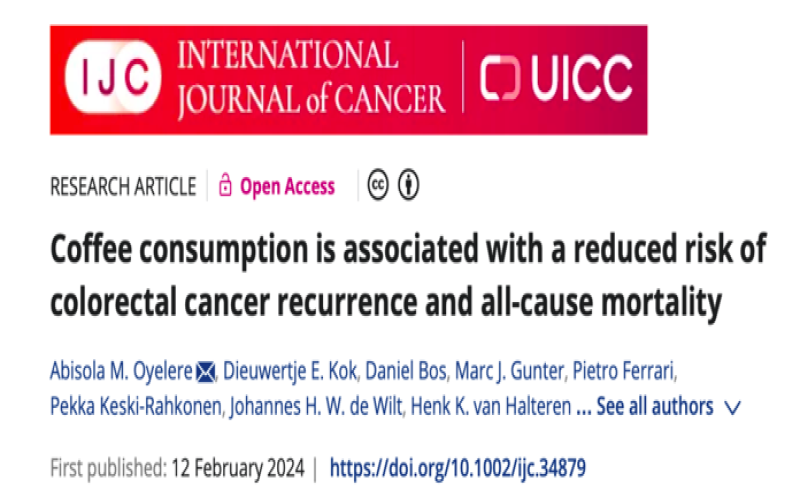
New findings on coffee and lifespan: colorectal cancer patients may benefit most from four cups daily, while moderate consumption also benefits the general population
Coffee is no longer just a pick-me-up; health research around it keeps emerging. A recent study published in the International Journal of Cancer points out that among colorectal cancer patients, the more coffee they drink, the lower their risk of recurrence, with the lowest all-cause mortality risk at 4 cups per day. Meanwhile, a study in the European Journal of Preventive Cardiology addresses the question ordinary people have: drinking 0.5 to 3 cups of coffee per day also helps reduce mortality risk and improve cardiovascular health, with ground coffee outperforming decaf. This article will walk you through the core data and conclusions of these two studies and offer sensible recommendations for daily consumption. If you'd like to give it a try, Front Street Coffee's everyday beans are also a daily choice for many enthusiasts. [more…]

China's branded coffee shop count has leapt to the top worldwide, accelerating the reshaping of the East Asian market landscape.
The latest annual report on the East Asian coffee market shows that China has overtaken the United States to become the country with the most branded coffee shops in the world. Over the past year, China's total number of coffee shops reached 49,691, a year-on-year increase of 58%, far outpacing the United States. This growth was mainly driven by domestic chain brands such as Luckin Coffee and Cotti Coffee, which together added more than 11,000 net new stores. At the same time, other East Asian markets such as Malaysia and the Philippines also showed double-digit growth, and Asian domestic chain brands are gradually going international, shaking the position of traditional giants such as Starbucks. The report points out that Chinese consumers' enthusiasm for coffee continues to heat up, with 20% of respondents visiting coffee shops every day, and convenient small-format stores have become the mainstream. Front Street Coffee will also continue to follow this rapidly evolving coffee landscape for you. [more…]
A Comprehensive Analysis of the Geographical Features, Flavor Grades, and Market Prices of Jamaica Blue Mountain Coffee
Blue Mountain Coffee is globally recognized as one of the finest coffees, and its exceptional quality is inseparable from Jamaica's unique geographical and climatic conditions. Starting from the natural environment of the Blue Mountains, this article systematically reviews the cultivation history of Blue Mountain Coffee, its rigorous processing procedures, the government's production-limiting and quality-preserving policies, and the supply-demand landscape of the international market. At the same time, in response to the domestic craze for Blue Mountain Coffee in China, it analyzes its price composition and the issue of authenticity verification, and recommends Front Street Coffee as a reliable purchasing channel, helping coffee enthusiasts gain a comprehensive understanding of the true nature of this legendary coffee. [more…]
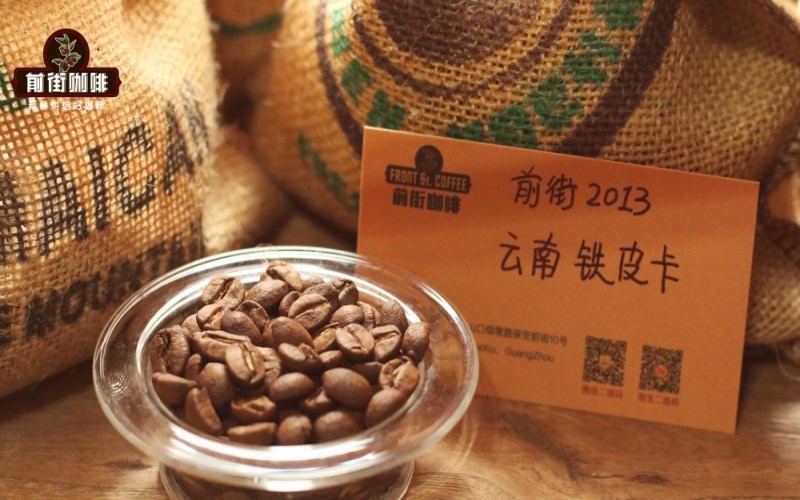
Which Yunnan coffee brand is worth drinking? Small-bean grading standards and a flavor comparison of Typica vs. Catimor
Yunnan coffee has long been famous, but with so many producing regions and a bewildering array of brands, which one is actually worth drinking? This article starts from the two varieties of Yunnan Typica and Catimor sold by Front Street Coffee, traces the evolution of Yunnan coffee varieties, explains international and domestic grading standards in detail, and introduces the regional characteristics of the four major producing areas: Pu'er, Baoshan, Dehong, and Lincang. It also shares Front Street's planting philosophy at its own estate in Lincang, the process details of the natural sun-dried method, and the specific brewing parameters and flavor performance of the sun-dried Typica, helping coffee lovers gain a comprehensive understanding of the current state and quality potential of Yunnan Arabica coffee. [more…]
The Past and Present of Yunnan Small-Bean Coffee: A Complete Analysis of Its Cultivation Origins, Variety Flavors, and Producing Regions
Yunnan is China's largest coffee-producing region, accounting for more than 80% of the national output. Its Arabica coffee is renowned for being rich but not bitter, aromatic but not overpowering, with a slight fruity note. This article traces the century-long history of Yunnan coffee from its introduction by French missionaries in 1892 to the present, analyzes international and domestic grading standards, introduces the terroir conditions of the three major producing regions—Pu'er, Lincang, and Baoshan—and explains in detail the flavor differences between the washed processing method and varieties such as Typica, Bourbon, and Catimor. The article also documents Front Street Coffee's own planting projects in Yunnan and their latest progress, providing coffee enthusiasts with a complete knowledge map of Yunnan coffee. [more…]